Top Myths Debunked: Are Legal Aid Lawyers Good?
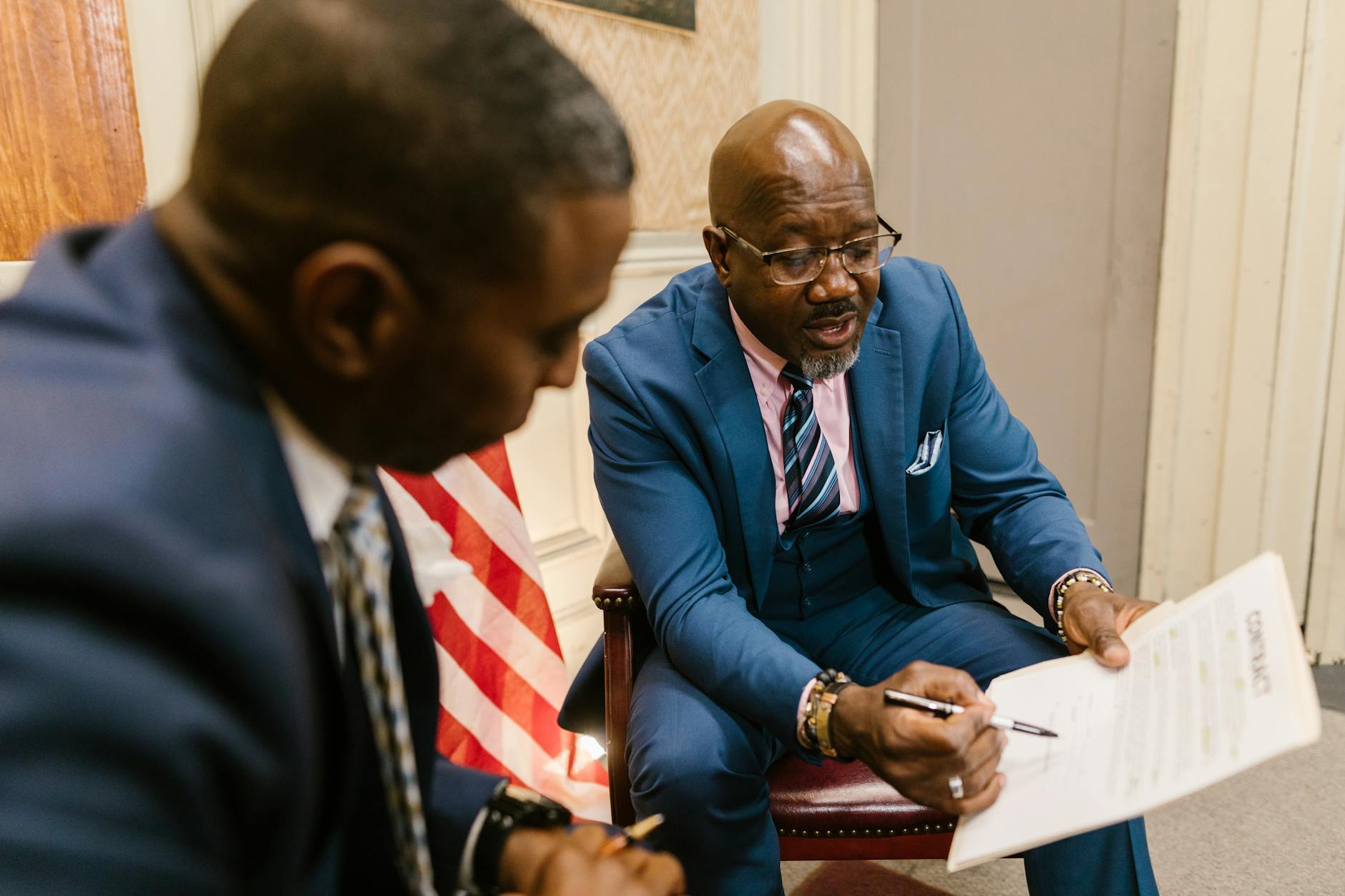
The world of law is shrouded in countless myths and misconceptions, many of which revolve around the quality and reliability of legal aid lawyers. It's not uncommon for people in need of legal assistance to ask the question: Are legal aid lawyers as skilled and dedicated as those in private practice? In this article, we will delve into the reality of legal aid lawyers' expertise, debunk common myths, and provide insights that suggest you can receive informed legal guidance, often at no cost.
Myth 1: Legal Aid Lawyers Are Less Qualified Than Private Attorneys
Debunked: Legal aid attorneys are fully licensed practitioners who have undergone the same rigorous education, testing, and certification processes as their counterparts in private firms. In many instances, these lawyers have chosen the public service route out of a strong commitment to justice and a passion for advocating for those who may not otherwise have access to legal representation. Their qualifications are on par with those of private attorneys, and in some cases, they may even possess a greater understanding of certain legal areas due to the frequency and variety of cases they handle.
Myth 2: Legal Aid Lawyers Aren't as Committed to Their Clients
Debunked: Contrary to this myth, legal aid lawyers are often deeply invested in their clients' cases. Many take on this work precisely because they care about social justice and want to make a difference in the lives of individuals who need it most. While their caseloads can be heavy, this does not diminish their commitment. If anything, it strengthens their resolve to manage their time and resources effectively to provide the best possible representation for their clients.
Myth 3: Legal Aid Lawyers Only Work on Simple Cases
Debunked: Legal aid lawyers handle a spectrum of cases, from simple to highly complex. They represent clients in criminal defense, civil rights issues, family law, immigration, housing disputes, and more. Because some legal aid organizations specialize in specific legal challenges, such as domestic violence or homelessness, their attorneys can become highly experienced in those fields, offering a depth of knowledge that is invaluable to their clients.
Myth 4: You Don't Need a Legal Aid Lawyer If You Can Handle Your Case
Debunked: Even if you believe your case is straightforward, navigating the legal system without professional assistance can be a risky proposition. Legal proceedings often involve intricate procedures and complex laws that can confuse a layperson. A legal aid lawyer will ensure that your rights are protected, deadlines are met, and the most effective arguments are presented on your behalf.
Myth 5: Getting Help from a Legal Aid Lawyer Is Too Difficult
Debunked: While legal aid organizations do have eligibility requirements, typically based on income, they strive to assist as many qualified individuals as possible. Many provide resources such as hotlines, clinics, and online tools to support those needing legal help. They are designed to be accessible, and their services are critical in ensuring justice for all, regardless of economic status.
Conclusion
The perception that legal aid lawyers are inferior to private attorneys is a myth that needs dispelling. These lawyers bring a wealth of knowledge, a high level of commitment, and specialized experience that can make all the difference for individuals who would otherwise be unable to afford legal representation. If you need legal help, do not overlook the support that legal aid can offer. With informed guidance and dedicated advocacy, legal aid lawyers stand ready to ensure that justice is within reach for everyone.
Remember, when it comes to legal matters, being well-informed is key. Don’t let myths and misconceptions guide your decisions—seek out the truth, and get the support you deserve.